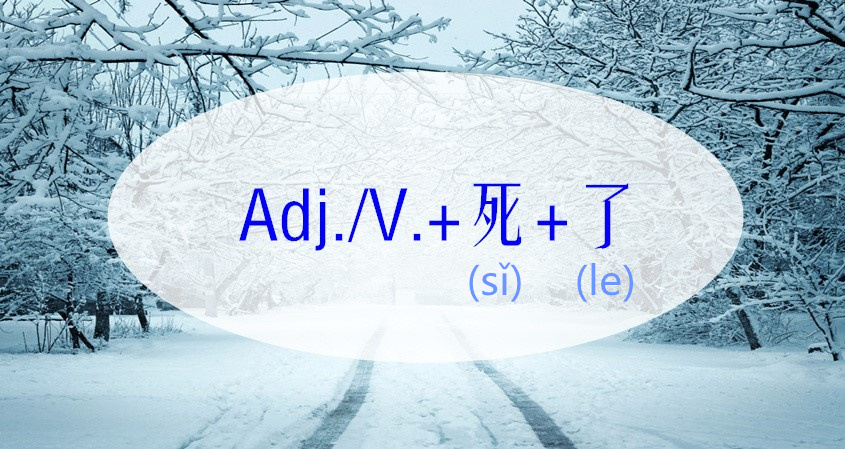
Freezing “to death?” – Adjective/Verb+死+了
It has been very cold in Beijing recently, and out on the streets, you might hear some Chinese people saying: “冷死了(lěng sǐ le, I’m freezing).” “死 (sǐ)” literally means “to…

It has been very cold in Beijing recently, and out on the streets, you might hear some Chinese people saying: “冷死了(lěng sǐ le, I’m freezing).” “死 (sǐ)” literally means “to…
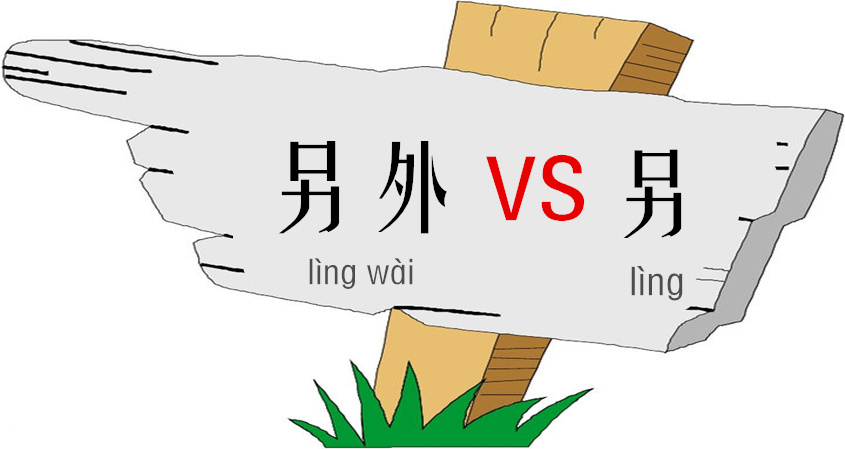
Are you an intermediate Chinese learner struggling with synonyms? Do you find yourself wondering which words to use in certain situations? You’re not alone! Many learners have difficulty with this…

Writing anything down helps us to remember it better. A quick web search will yield a plethora of websites, software and mobile applications that all promise to significantly improve your…
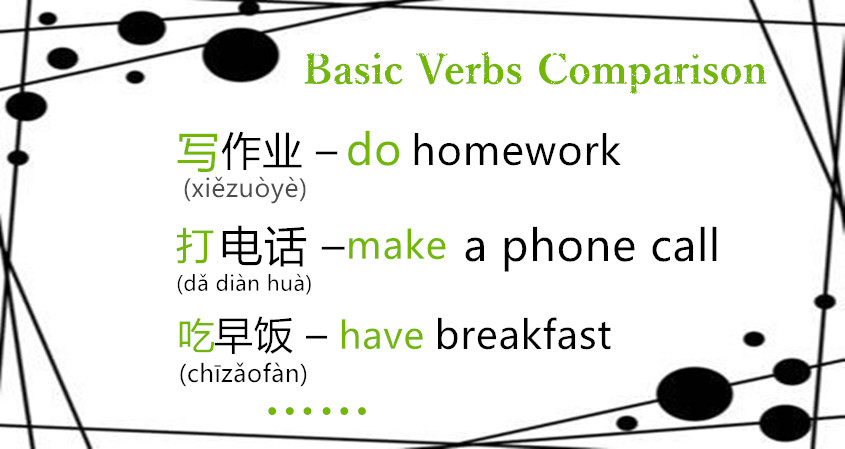
Although I always know Chinese and English were poles apart, I didn’t realize how much simple differences between the two languages could create problems for learners until I started developing…

Many people have trouble understanding which “measure word” they should use in different situations. If you don’t know what a measure word is – it’s a word that is used…

China is large and is highlighted by the big cities such as Beijing, or Shanghai that demonstrates the development of country. However, does China have unique sites that you don’t…
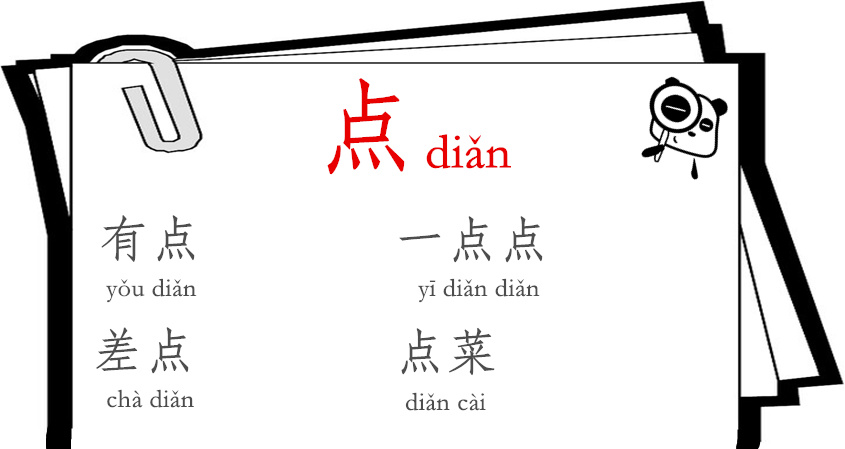
点 (diǎn) is one of those characters in Mandarin that pops-up all over the place. In the dictionary, there are multiple meanings given, including “dot”, “point”, a “small amount”. In…

“Teaching should be full of ideas instead of stuffed with facts.” “Ideal teachers are those who use themselves as bridges over which they invite their students to cross.” There are…

The Chinese language, with its rich vocabulary and intricate grammar, often presents unique challenges for learners. One phrase that frequently stumps Mandarin learners is “太多 (tài duō),” which is the…