
Various ways to say “I want to” in Chinese
The common expressions and their uses in sentences 我要…… (wǒ yào……) This is the most direct and common way to say “I want to.” e.g. 我要喝水。 (Wǒ yào hē shuǐ.)…

The common expressions and their uses in sentences 我要…… (wǒ yào……) This is the most direct and common way to say “I want to.” e.g. 我要喝水。 (Wǒ yào hē shuǐ.)…

Let’s explore the common expressions and their uses in sentences for ‘looking forward to’ in Chinese. 期待 (qīdài) This phrase means “to look forward to” and is commonly used in…
Chinese cartoons have long captivated audiences with their rich cultural themes and unique storytelling techniques, blending traditional folklore with modern narratives to create something truly magical. The purpose of this…

The common expressions and their uses in sentences 我需要…… (wǒ xūyào ……) “需要” literally translates to “need” in English. This is the most common and straightforward way to say “I…

The common expressions their uses in sentences ……多远? (……duō yuǎn?) This is the most straightforward way to ask “how far.” e.g. 从这里到火车站有多远? (Cóng zhèlǐ dào huǒchē zhàn yǒu duō yuǎn?)…
Chinese characters are a fascinating and integral part of the Chinese language. Unlike alphabetic systems, each character represents a unique meaning and sound, making the learning process both challenging and…
Testing is a crucial part of mastering any language, including Chinese. It helps learners track their progress, identify areas that need improvement, and solidify their understanding of the language. As…

The common expressions 康复 (kāngfù) This phrase means “to recover” or “to get better” and is often used in a medical context. e.g. 希望你早日康复。 (Xīwàng nǐ zǎorì kāngfù.) I hope…
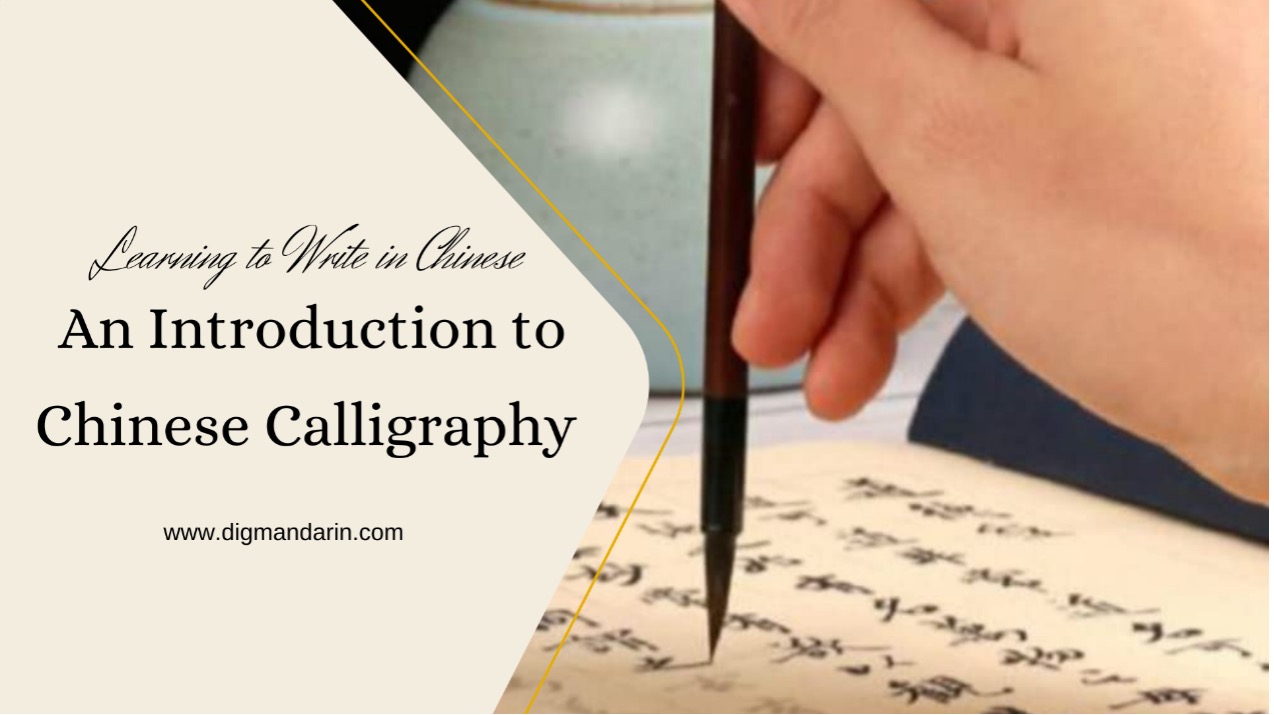
The art of writing is not just a means of communication; it’s a bridge to deeper cultural and historical realms, especially when it comes to languages with rich traditions like…